
Today we visited the Suzhou Municipal Wastewater Treatment Factory, where we learned about the various wastewater treatment processes. I’d like to share this experience with everyone here.
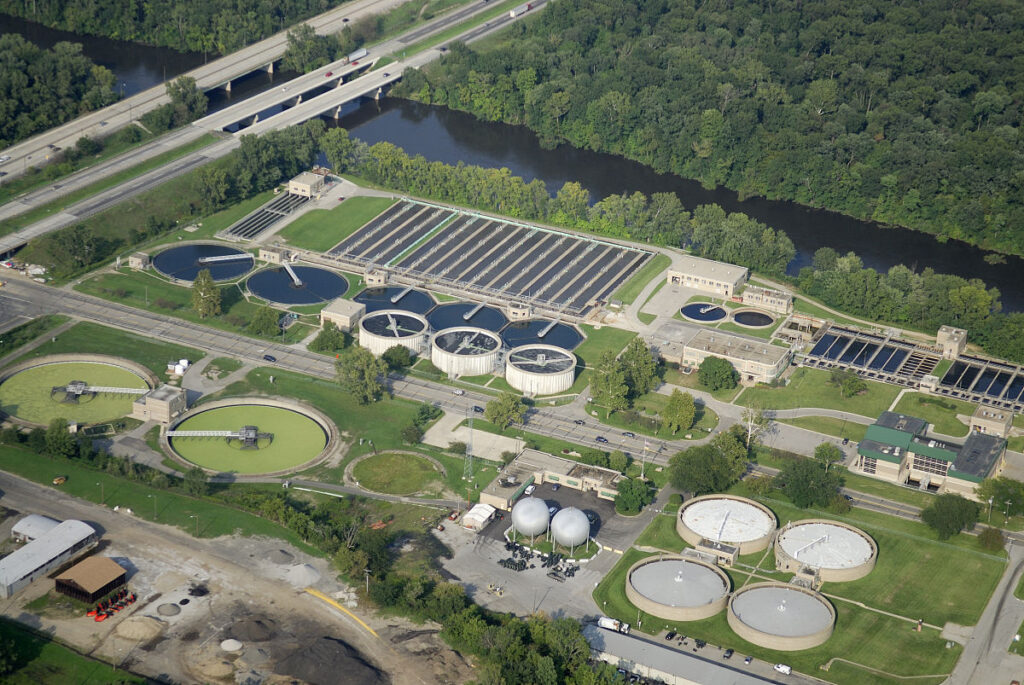
The wastewater treatment process at the factory can be primarily divided into the following steps:
- Wastewater Collection: First, various types of wastewater from the industrial park are collected at the treatment factory. This wastewater may originate from different industrial sectors such as chemical, pharmaceutical, and food processing, resulting in significant variations in composition and concentration.
- Pretreatment: Collected wastewater undergoes pretreatment to remove large particulate solids, oils, fats, scum, and other impurities. This stage typically involves equipment like screens, equalization tanks, and sedimentation tanks to ensure subsequent treatment processes proceed smoothly.
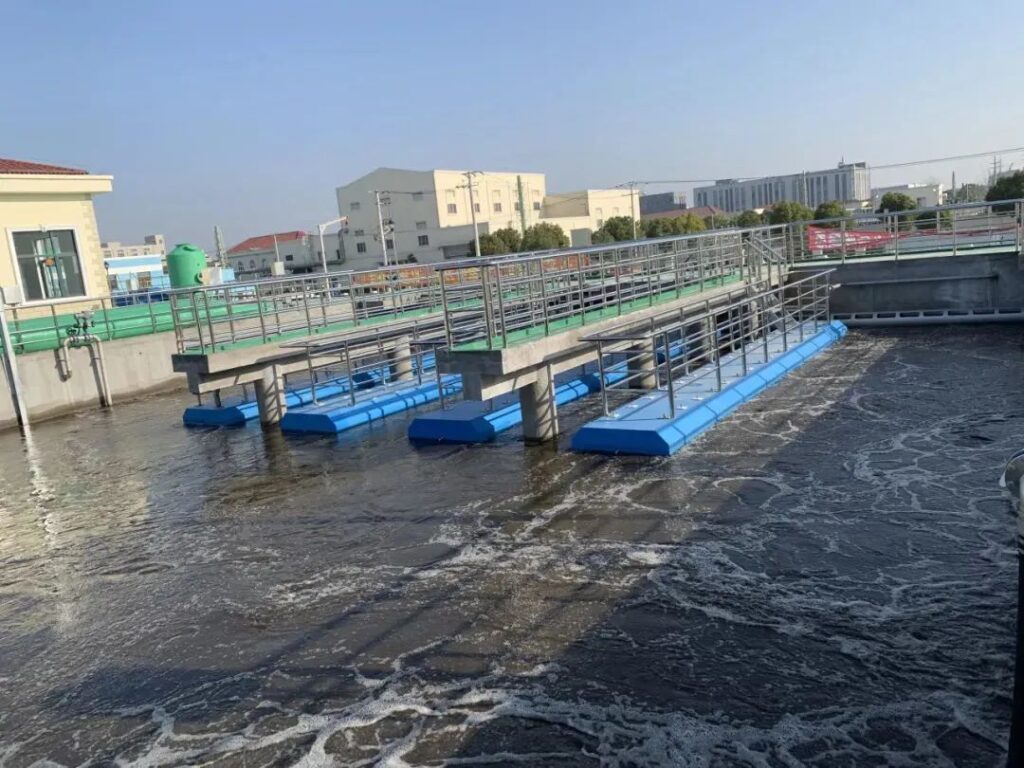
- Biological Treatment: After pretreatment, the wastewater enters the biological treatment stage, the core component of the entire wastewater treatment process. Biological treatment primarily utilizes microorganisms to decompose organic matter in the wastewater into inorganic substances, thereby achieving water purification. Common biological treatment methods include the activated sludge process and biofilm process.
- Advanced Treatment: After biological treatment, wastewater undergoes advanced treatment to further remove nutrients, trace organic compounds, bacteria, and other contaminants. Advanced treatment methods include filtration, disinfection, and chemical oxidation.
- Sludge Treatment: The wastewater treatment process generates significant amounts of sludge. This sludge requires stabilization, reduction, and harmless treatment to prevent environmental and human health hazards. Sludge treatment methods include anaerobic digestion, aerobic digestion, incineration, and landfill disposal.
Beyond these fundamental treatment steps, industrial park wastewater treatment factory must also conduct daily operational management and maintenance to ensure equipment functionality and consistent treatment performance. Simultaneously, driven by technological advancements and heightened environmental regulations, these factories must continually adopt new technologies and equipment to enhance treatment efficiency and quality.
We also found a video interview conducted six months ago, which provides insights into urban sewage treatment and innovation.